When the fire trucks pull away, the hardest part of a house fire is often just beginning. Even a small kitchen fire that was out in minutes can leave soot in every room, smoke odor in the ductwork and gallons of water from the hoses in the walls and floors. Here is what fire and smoke damage restoration actually involves for a Pinellas County home, and what you can do in the first days to protect your family and your claim.
First: is the house safe to enter?
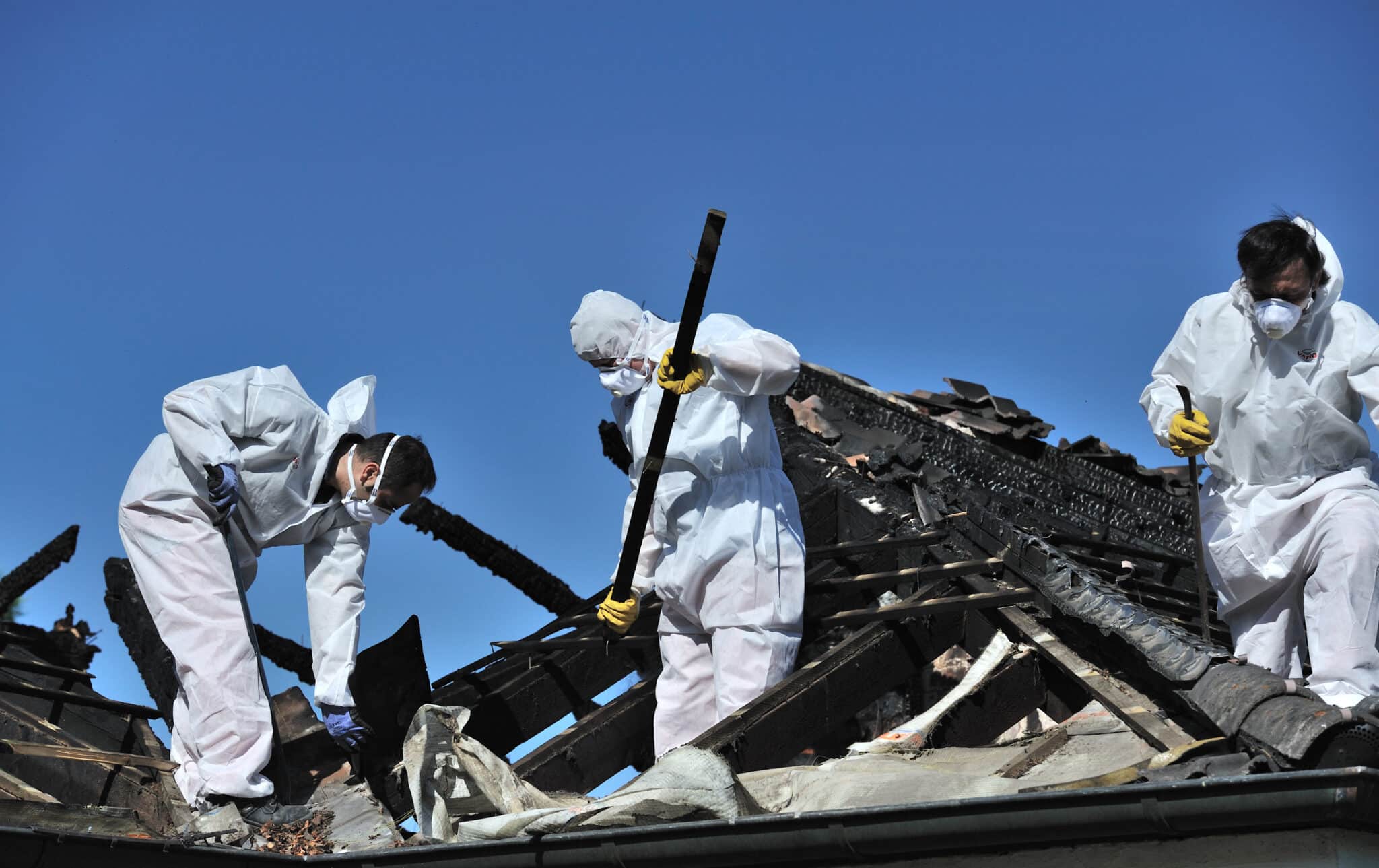
Do not go back in until the fire department says it is safe. Structural members, roof trusses and the ceiling drywall can be weakened even where the fire did not reach. Electrical wiring, gas lines and appliances also need to be checked before power is restored. If the roof or windows were damaged, the house needs to be secured and covered quickly. In our climate, an open roof invites afternoon rain and humidity, and water damage stacks on top of the fire damage within days.
Soot is not just dirt
Smoke residue is acidic and it keeps working after the fire is out. Within hours it discolors plastics and appliances; within days it etches metal fixtures and begins to permanently stain grout, porcelain and painted surfaces. Different fires leave different residues:
- Dry soot from fast, hot fires that burned wood and paper. Powdery, and usually the easiest to remove.
- Wet, smeary soot from slow, smoldering fires and burning plastics or foam. It smears when wiped and is the hardest to clean from porous surfaces.
- Protein residue from kitchen fires. Almost invisible, but with a strong odor that lingers in cabinets and on painted walls.
Knowing which kind you have determines the cleaning method. Using the wrong cleaner on the wrong residue can set the stain permanently, which is why we recommend not wiping walls or scrubbing furniture before a restoration technician has looked at it.
Odor is the part homeowners underestimate
Smoke odor gets into places you cannot wipe: attic insulation, the inside of the air handler, ductwork, upholstery, closets and the small gaps behind baseboards. Air fresheners cover it for a day. Real odor removal means removing the source materials that cannot be cleaned, deep cleaning the HVAC system, and treating the air and contents with methods such as thermal fogging, ozone or hydroxyl generators, chosen for the situation. In a humid Gulf Coast house, odors also get stronger on muggy days as materials absorb moisture, so treating the problem thoroughly the first time matters.
Water damage from firefighting
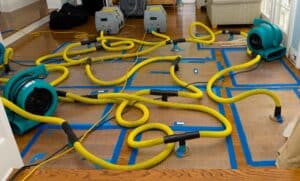
Hoses put a lot of water into a house very quickly. That water runs into wall cavities, under flooring and into the level below. A complete fire restoration plan always includes water extraction and structural drying, exactly as it would for a burst pipe. Skipping this step is how a fire-damaged home ends up with a mold problem a few weeks later.
What the restoration process looks like
- Emergency board-up and roof cover to secure the property from weather and unauthorized entry.
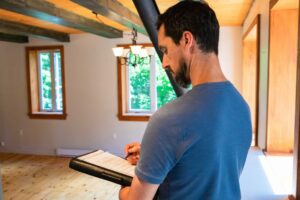
- Assessment and documentation of structural damage, smoke spread and water intrusion, with photos your insurer will need.
- Water extraction and drying of anything the firefighting effort soaked.
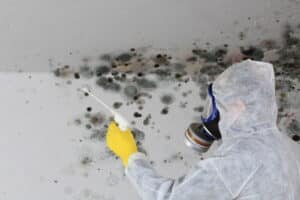
- Soot and residue cleaning of walls, ceilings, fixtures and contents, with the right method for each residue type.
- Contents pack-out and cleaning for furniture, clothing and belongings that can be saved, and an inventory of what cannot.
- Odor removal including HVAC cleaning.
- Repairs and reconstruction of the damaged structure once everything is clean and dry.
Working with your insurance company
Fire claims are usually large, and the documentation you provide in the first week shapes the outcome. Keep the fire department’s report, photograph everything before it is moved, and hold onto damaged items until the adjuster has seen them or approved their disposal. Save receipts for lodging, meals and emergency purchases if you had to leave the home; many policies reimburse additional living expenses. Marathon Restoration deals directly with insurance carriers and documents every step, from the first board-up to the final repair.
Fire damage help in Pinellas County
Marathon Restoration serves St. Pete Beach, St. Petersburg, Clearwater and the rest of Pinellas County with 24/7 fire and smoke damage restoration. If you have had a fire, call (727) 222-1002 or contact us online. We will secure the home, stop secondary damage and walk you through what happens next.