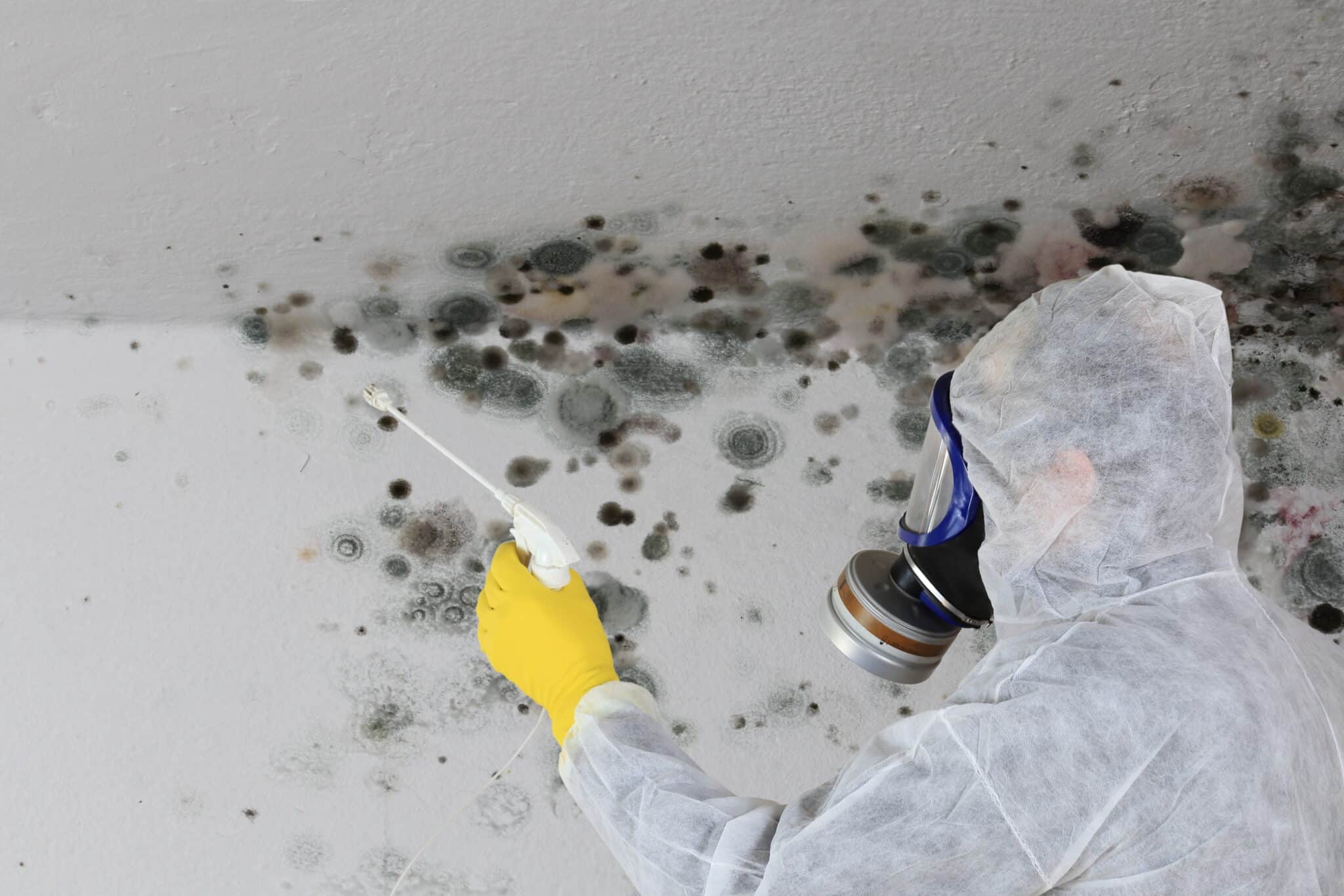
Ask anyone who has moved to the Tampa Bay area from up north: things grow here. That includes mold. A closet that stays a little damp, an air handler that sweats, a window that leaks during a summer thunderstorm, and within a few weeks there are dark spots on the drywall and a musty smell in the hallway. This article explains why Gulf Coast homes are so prone to mold, where it hides in the typical Pinellas County house, and what professional mold remediation actually involves.
Why mold loves the Gulf Coast
Mold needs three things: spores, which are everywhere; a food source, which is nearly every building material; and moisture. On the Gulf Coast, moisture is the easy part. Outdoor humidity is high most of the year, rain comes almost daily in summer, and air conditioning creates cold surfaces where that humid air condenses. Add a leak, a flood or a roof that was damaged in a storm, and the conditions are ideal. Mold can begin growing on wet materials within 48 to 72 hours, which is why water damage and mold are so closely linked in this part of Florida.
Where mold hides in Tampa Bay homes
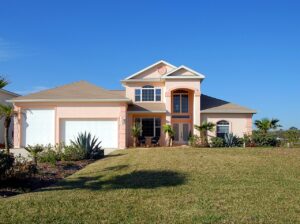
Most homes in St. Petersburg and the beaches are concrete block on a slab, so we rarely deal with basements or crawl spaces. Mold shows up in other places instead:
- Around the air handler. Condensation, clogged drain lines and overflowing drain pans keep the closet or garage wall damp. Mold on the supply plenum can spread spores through the whole house.
- Behind baseboards and inside walls after a leak that was cleaned up on the surface but never dried inside the wall cavity.
- Attics where roof leaks, poor ventilation or a duct leak keep the underside of the roof deck damp.
- Bathrooms and laundry rooms with weak exhaust fans, especially in older homes.
- Window sills and sliding-door tracks facing the Gulf, where wind-driven rain gets in.
- Closets on exterior walls where cool, still air condenses against warm block.
Why bleach and a repaint do not work
Bleach can lighten the color of mold on a hard surface, but it does not fix the moisture that caused it, and on porous materials like drywall and wood the growth continues underneath. Painting over it hides it for a season. The growth comes back, usually bigger, because the moisture source was never addressed. Effective remediation always starts with finding and correcting the water problem.
How professional mold remediation works
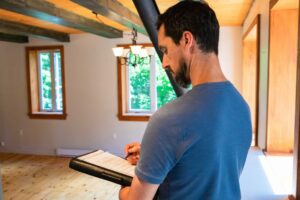
- Inspection and moisture mapping. A technician identifies the extent of the growth and, more importantly, the source of the moisture, using moisture meters, thermal imaging and, when needed, air and surface sampling.
- Containment. The work area is sealed with plastic barriers and placed under negative air pressure so spores do not spread to the rest of the home during removal.
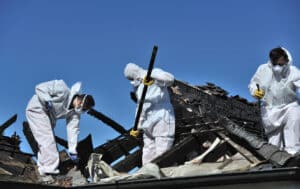
- Removal. Materials that cannot be cleaned, such as moldy drywall, insulation and swollen cabinetry, are removed and bagged inside the containment. Salvageable framing and hard surfaces are cleaned with HEPA vacuuming and appropriate antimicrobial treatments.
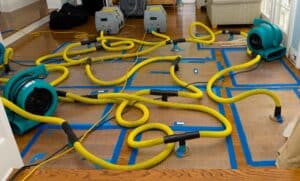
- Air filtration and drying. HEPA air scrubbers run throughout the project, and the area is dried to normal moisture levels so the problem does not return.
- Verification. Post-remediation testing confirms the work is complete before the area is rebuilt.
Florida licenses mold assessors and mold remediators separately, and for good reason: the company that tests should not have an incentive to find work for itself. Marathon Restoration holds both licenses and is IICRC-trained, so we can explain clearly which service you actually need. If you only need answers, start with a mold inspection.
Keeping mold from coming back
- Keep indoor humidity below about 60 percent. If your AC runs but the house feels clammy, have the system checked.
- Clear the AC condensate line regularly and make sure the drain pan is not overflowing.
- Fix roof, window and plumbing leaks right away, and dry any wet area within a day or two.
- Run bathroom exhaust fans during and after showers, and make sure they vent outside, not into the attic.
- After any flooding or storm damage, get the structure inspected and dried properly rather than waiting to see what happens.
Mold remediation in St. Petersburg and Pinellas County
If you see growth, smell something musty or have had a recent leak, Marathon Restoration can inspect the home and give you a straight answer. We serve St. Pete Beach, St. Petersburg, Clearwater and the surrounding Tampa Bay communities. Call (727) 222-1002 or schedule an inspection to get started.