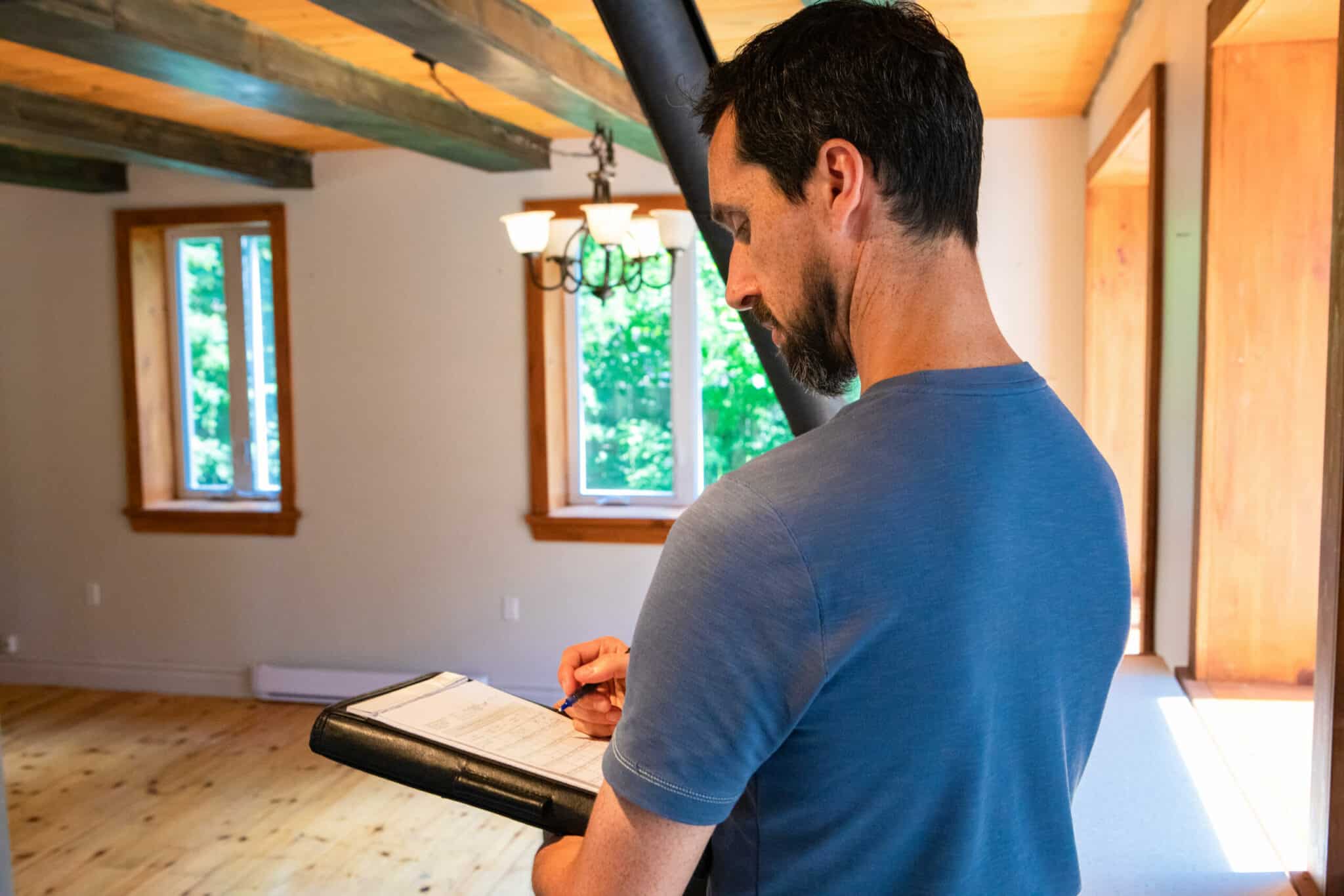
A home inspection tells you about the roof, the electrical panel and the water heater. It usually does not tell you what is growing inside the walls. In the St. Petersburg market, where many homes have decades of humid summers, past leaks and older air conditioning behind them, a dedicated mold inspection is one of the more useful things a buyer can add to due diligence. Here is when it makes sense, what it involves and what the results actually mean.
Situations where a mold inspection earns its keep
- The house has a history of water intrusion. Prior roof leaks, plumbing repairs, flooding or storm damage disclosed by the seller, or visible water stains on ceilings and around windows.
- There is a musty smell in closets, bathrooms, near the air handler or when the AC first kicks on.
- Freshly painted patches in odd places, new baseboards in one room, or an area of drywall that looks newer than the rest.
- The home sat vacant with the air conditioning off or set very warm. A closed-up Florida house without AC for a summer can develop mold on nearly every surface.
- Someone in your household has asthma, allergies or a compromised immune system. The cost of finding out is small compared with living in a problem house.
- Waterfront or beach properties that take wind-driven rain and salt air on the exposed sides.
What a mold inspection includes
A proper inspection is more than a walk-through with a flashlight. A licensed mold assessor looks for the conditions that cause mold, not just visible growth:
- A visual inspection of the living space, attic, garage, air handler closet and exterior, focused on moisture-prone areas.
- Moisture readings in walls, floors and ceilings, and thermal imaging to spot hidden damp areas behind finished surfaces.
- Air sampling, which compares the spore counts and types inside the home with an outdoor control sample, and surface sampling of suspect areas when appropriate.
- Laboratory analysis of the samples by an independent lab.
- A written report that explains what was found, where the moisture is coming from and what, if anything, should be done about it.
In Florida, mold assessors and mold remediators are licensed separately by the state. Marathon Restoration holds both licenses, so if a problem is found we can explain the remediation options clearly, but the inspection itself is designed to give you an honest picture, including the good news when a house is fine.
Reading the results
Every home has some mold spores in the air, because outdoor air does. What matters is whether the indoor counts are elevated compared with outside, whether the types found indoors suggest active growth on wet materials, and whether the inspection found the moisture problem that would explain it. A small area of surface mildew in a shower is a cleaning issue. Elevated counts with a wet wall behind the master bath is a remediation issue and a negotiating point.
Using the report in your purchase
If the inspection turns up a problem, you have options: ask the seller to have licensed remediation completed with post-remediation verification before closing, negotiate a credit, or walk away if the scope is larger than you want to take on. Most sellers respond well to a clear report from a licensed assessor because it removes the guesswork. If you are the seller, an inspection before listing lets you address issues on your own timeline instead of under contract pressure.
After you move in
A clean inspection is a good baseline, but Gulf Coast homes need ongoing attention. Keep the AC maintained and the condensate line clear, run bathroom fans, fix leaks fast and, after any storm damage or flooding, dry the structure properly. If you are unsure whether an area dried completely, a follow-up moisture check is quick and inexpensive.
Mold inspections in St. Petersburg, St. Pete Beach and Pinellas County
Marathon Restoration performs mold inspections and testing for buyers, sellers and homeowners across Pinellas County, with reports written in plain English. Call (727) 222-1002 or request an inspection, and we will work around your inspection period.