Water finds its way into St. Pete Beach homes in more ways than most people expect. A supply line lets go behind the washing machine, a water heater rusts through, an air conditioner drain line backs up in August, or a Gulf storm pushes water under the doors. Whatever the source, the clock starts the moment the water arrives. Here is what to do in the first 48 hours, and why that window matters so much on the Gulf Coast.
Why 48 hours matters more in Pinellas County
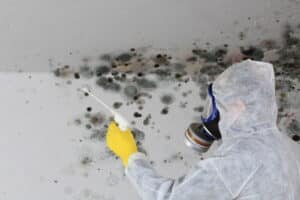
In a dry climate, a wet carpet might just smell for a few days. Here, the air is already loaded with moisture most of the year, so wet materials dry slowly on their own. Drywall, baseboards, cabinet toe-kicks and the paper backing on insulation stay damp long enough for mold to get started. Mold can begin colonizing wet building materials within 48 to 72 hours, and once it does, a simple water cleanup turns into a mold remediation project.
Coastal homes add a second wrinkle. Storm surge and tidal flooding bring salt water, which is corrosive to fasteners, wiring and appliances and which never fully “dries” the way fresh water does. Salt-water losses need to be flushed and dried differently.
Hour 0 to 2: Stop the water and stay safe
- Shut off the source. For plumbing leaks, close the main shutoff valve. In many Pinellas County homes it is near the front hose bib or at the meter box by the street.
- Kill the power to wet areas. If water has reached outlets, cords or the electrical panel, turn off the affected breakers. Do not stand in water to do it. If the panel itself is wet, leave it and call an electrician.
- Treat flood water as contaminated. Water that came from outside, from a sewer backup or from an AC condensate line can carry bacteria. Keep kids and pets out, and wear gloves and boots if you must walk through it.
Hour 2 to 6: Document, then start removing water
Before anything gets moved or thrown out, photograph and video everything: the source, standing water, the water line on walls, damaged contents and the serial numbers on ruined appliances. Insurance adjusters want proof of the extent of the loss, and it is easy to forget details once cleanup begins.
Then get bulk water out. Mop, wet-vac and squeegee what you can. Pull area rugs outside to dry. Lift furniture onto blocks or foil so wood stain and rust do not transfer into wet carpet. Open closet and cabinet doors so air can reach the enclosed spaces where moisture likes to hide.
A word about air conditioning: keep it running. Your AC is the best dehumidifier in the house, and in a St. Pete Beach summer the outdoor air is far too humid to open the windows.
Hour 6 to 48: Dry it properly, not just on the surface
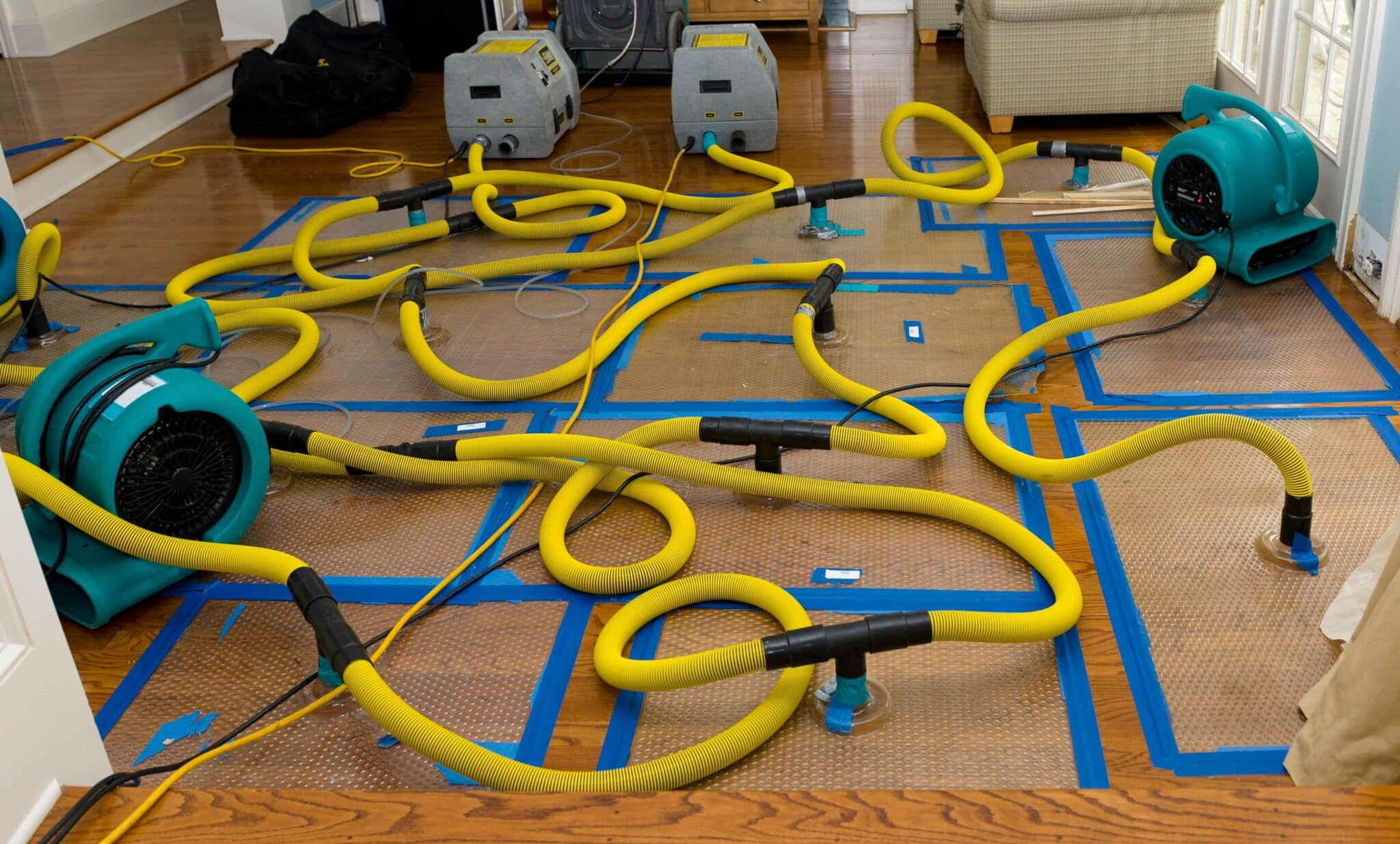
This is where do-it-yourself efforts usually fall short. A floor that feels dry to the touch can still be wet underneath the flooring, inside the wall cavity and in the bottom plate of the framing. Professional water restoration uses moisture meters and thermal imaging to find that hidden water, then places commercial air movers and low-grain dehumidifiers sized for the room to pull it out. Materials that cannot be dried in time, such as saturated drywall, swollen particleboard cabinets and wet insulation, are removed so the structure behind them can dry.
Drying is monitored daily until readings return to normal for the material. That documentation is also what your insurance company will ask for.
Insurance notes for Florida homeowners
Sudden, accidental leaks such as a burst pipe are commonly covered under a standard homeowners policy, while rising water from storm surge or flooding generally falls under a separate flood policy. Report the loss promptly, keep receipts for any emergency supplies or services, and do not authorize demolition beyond what is needed to stop damage until you have spoken with your carrier. Marathon Restoration works with insurance carriers regularly and can help you document the claim from the first visit.
When to call for help
Call a professional right away if:
- water has been sitting for more than a day,
- the water came from outside, a sewer line or a drain backup,
- drywall, cabinets or wood flooring got wet,
- you notice a musty smell or see discoloration within a few days, or
- the affected area is larger than a single room.
Marathon Restoration provides 24/7 water damage response for St. Pete Beach, St. Petersburg and the surrounding Pinellas County communities. Call (727) 222-1002 or request an inspection online, and we will get drying equipment on site quickly, so a wet weekend does not become a mold problem next month.